From the country...
 |
| How to Grow Pea Shoots |
This is the start to my, "On The Farm How-to Tutorials" which will be posted periodically throughout the seasons featuring farm related topics. Many of these tutorials can be adapted to anywhere you live (with some exceptions) and will hopefully show some really great ideas/techniques to possibly help people become a little more self sufficient.
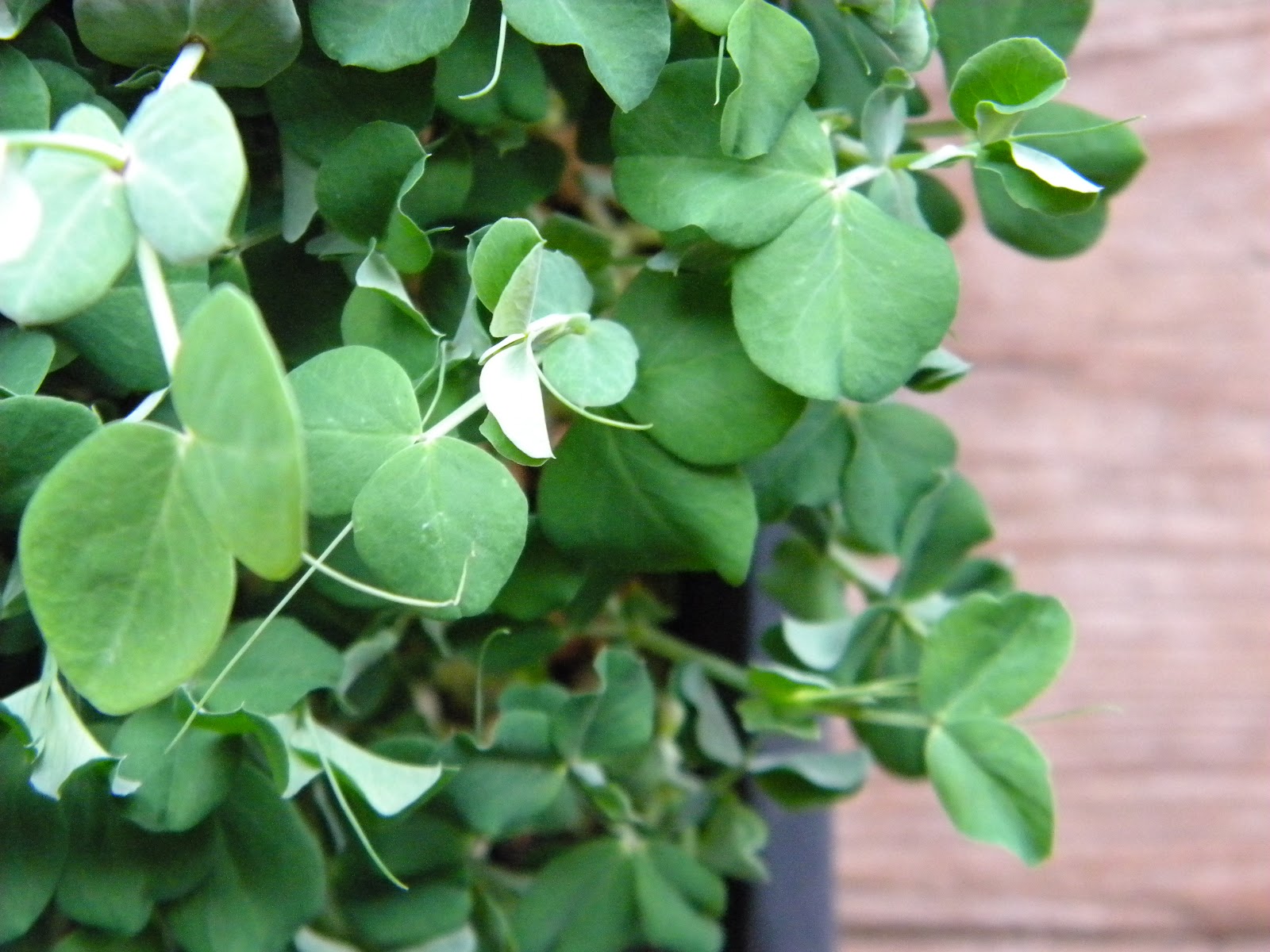
I grow pea shoots here on the farm pretty much all year, as long as the weather isn't too hot- sometimes I take a pea shoot hiatus in late June/early July when it tends to get hot and muggy around here. I find the shoot to be more reliable then the actual pea crop. In spring/ fall I grow pea shoots outdoors and in late fall/early winter I grow them indoors under artificial light. Pea shoots are a very popular market item for us, we sell big tubs of them loose at our market stand (people pay by the oz. and bag there own). They can be eaten fresh in a salad or can be lightly sauteed/stir fried. They have a subtle sweet pea flavour and are very fresh and crisp.
What you will need:
-a bucket with a screen and some way of affixing the screen to the lid. I cut a circle off the top of the lid leaving the sides intact. If you are trying this on a smaller scale you can use a mason jar with the ring screwed on and some cheese cloth or mesh.
-sprouting peas (I use Dwarf Grey sugar peas from
here.)
-soil (I use our own from the compost)
-2 trays or containers to grow the peas on that is fairly deep and has holes in the bottom.
-some way of feeding you peas (I have used Kelp Man liquid Seaweed before) but if you have a good quality soil mix you should be ok.
-a mister
-a watering can
Step 1 -Sprouting the peas
-place dried peas in a bucket and cover with water. Let sit for 8hrs to soak. The peas will soak up the water so make sure to add more if needed.
-dump out water. once daily rinse and drain your peas leaving bucket upside down to fully drain until the next rinsing.
-do this for a few days until your peas begin to sprout (photo above)
Step2- Spreading the peas onto soil
-take your soil, give it a good watering
and allow to drain
-next is to spread your sprouted peas onto your soil you want a fairly heavy layer of peas do not worry if some overlap.
-give you peas a good misting
-cover your peas (I use another tray on top) to keep the moisture in and put somewhere warm.
- mist periodically and leave the lid on until you see your peas start to grow. I leave the lid on until the peas start to lift up the top tray.
Step 3-Expose your peas to light
- now this can be under artificial light, outdoors in a sunny spot (when the weather is nice), or in a sunny warm location (near a south facing window) indoors.
Step 4- Harvest
-cut peas shoots when they are around 2-3 inches cut em (when they are nice and leafy). This should take about a week- depending on the growing conditions.
Step5-
Enjoy them!
-try sauteing them lightly, with eggs for breakfast.